

Why are more and more households becoming prosumers?
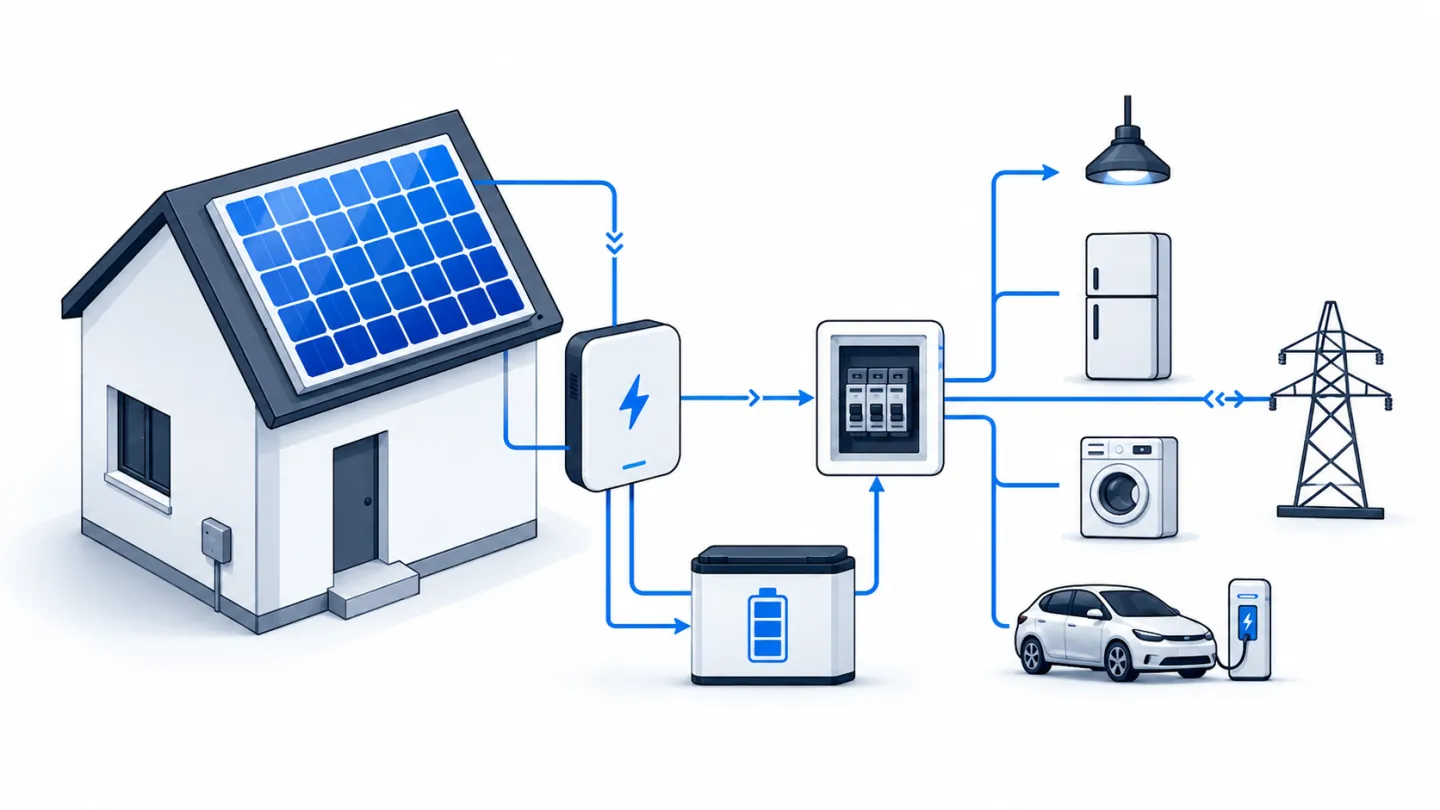
In Croatia, more and more households are transitioning to the prosumer (producer-consumer) model — a system in which a household simultaneously generates, consumes, and feeds electricity back into the grid. This model enables substantial savings, greater energy independence, and better utilization of the solar power plant throughout the entire year.
The good news? The process is now standardized, simpler than ever, and clearly defined by laws and regulations.
What is a prosumer and how does it work?
- A prosumer (producer-consumer) is a household that:
- Generates energy via a solar power plant
- First uses it for its own consumption
- Feeds the excess into the grid
- Draws the deficit (when there is no sun) from the grid
All of this happens automatically through a bidirectional smart meter, without any manual intervention.
Legal framework – what does the law say?
The prosumer status is defined in the following documents:
- Electricity Market Act (ZTEE)
- Ordinance on Simple and Other Structures
- Rules on Acquiring the Status of a Customer with Personal Generation
- Conditions of HEP-Distribution System Operator (HEP-ODS)
According to current regulations:
- Households can install up to 10.8 kW without requiring a building permit (on an existing roof).
- They are allowed to feed excess energy into the grid.
- It is mandatory to install a bidirectional meter, which is provided and set up by HEP.
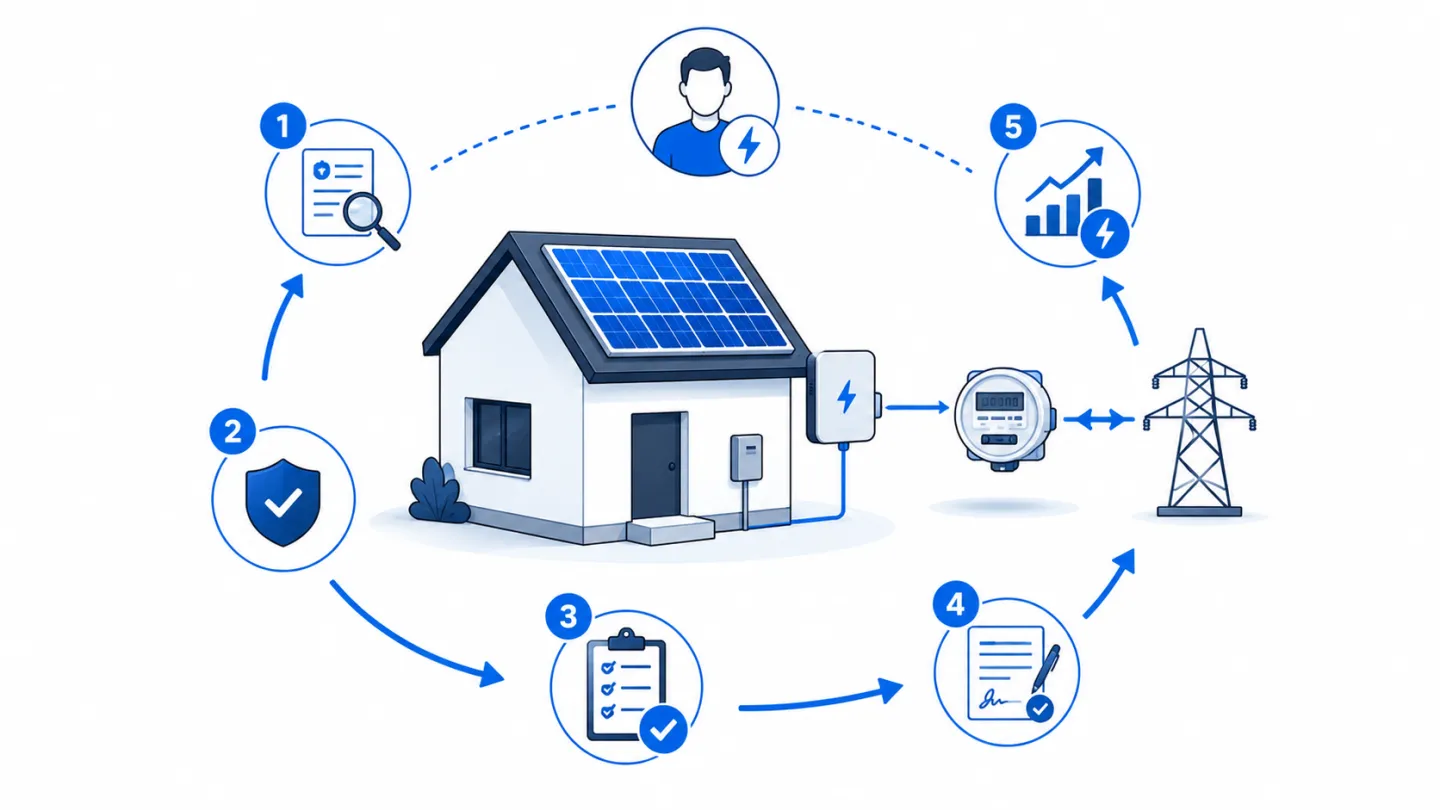
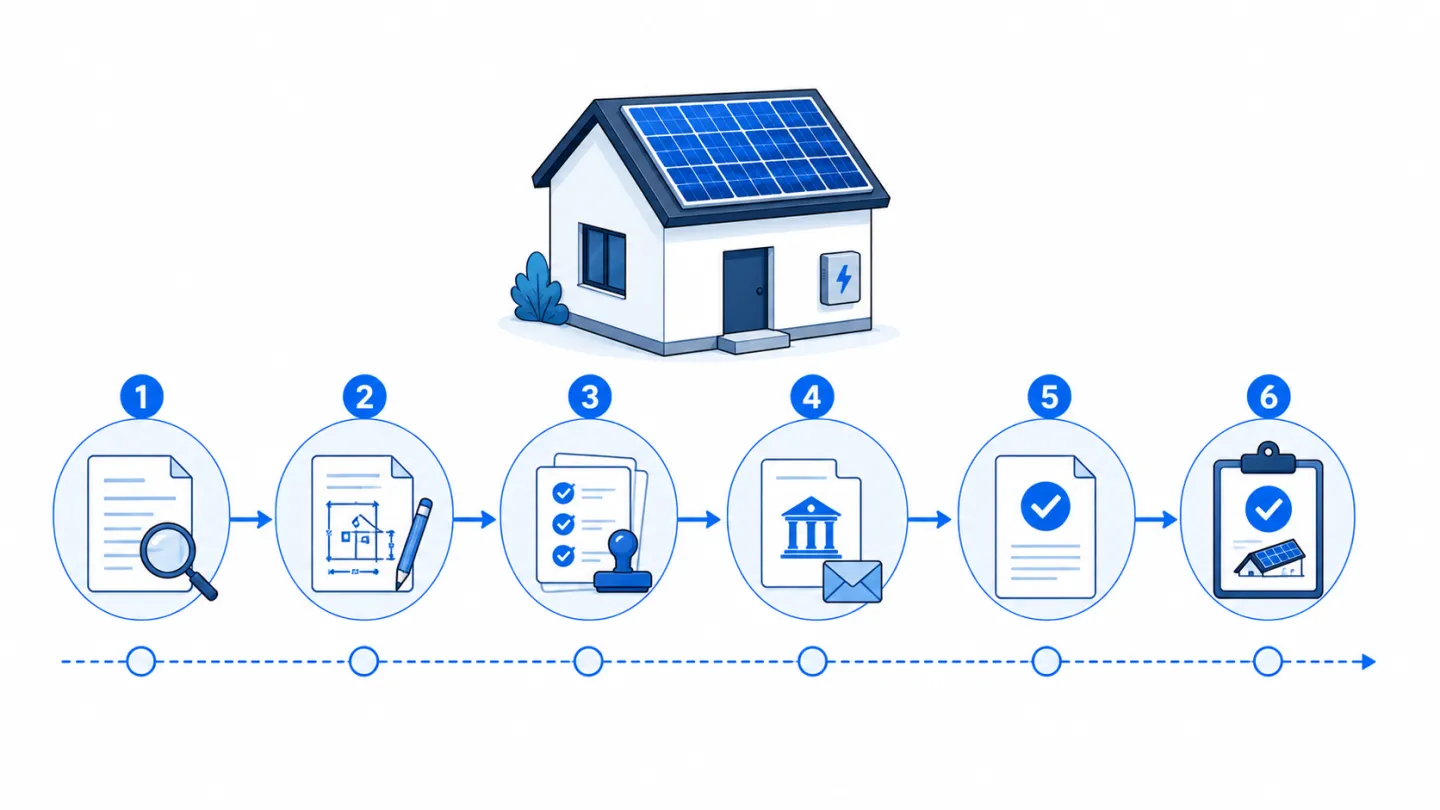
How to become a prosumer? – a detailed step-by-step guide
The entire process usually takes 30–90 days, depending on HEP's workload and documentation processing.
1. Development of the technical solution and quotation (design phase)
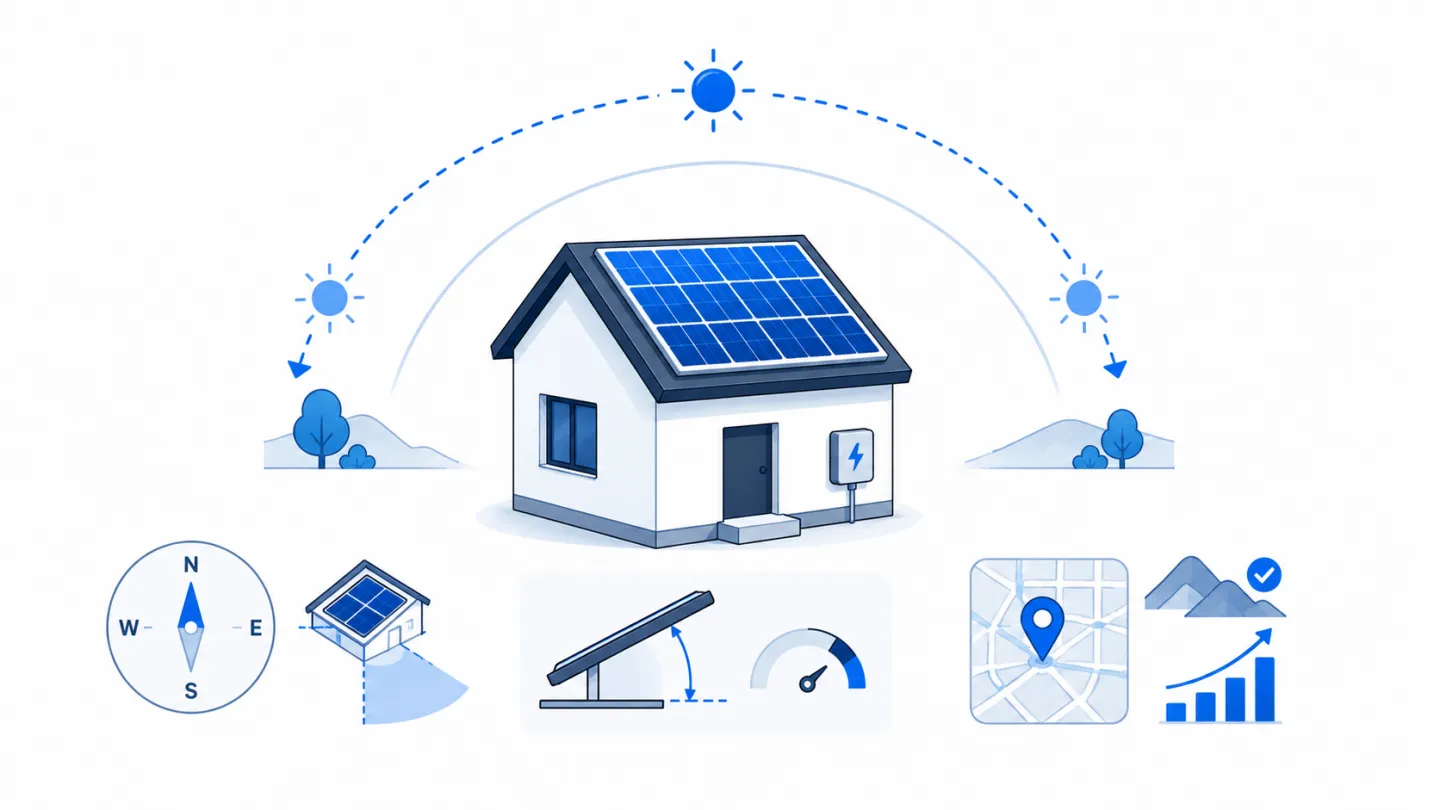
The installer or designer analyzes:
- annual consumption
- roof condition
- grid connection possibilities
- required system capacity
The result is a technical solution and a quotation for the PV plant.
2. Submitting the application to HEP-ODS
An application for connection is submitted using an official form. The following must be attached:
- basic technical data of the power plant
- panel layout design
- information about the property and the metering point
3. Receiving the Connection Capability Notice (OMK)
HEP checks the grid capacity and issues the OMK document, which confirms that the power plant can be connected to the grid.
4. Project documentation prepared by a licensed engineer
For residential solar power plants, the following is typically required:
- main electrical project design
- power plant calculations
- wiring schematic
- protective equipment specifications
5. Execution of works and installation
The installation usually takes 1–2 days:
- mounting the panels
- installing the inverter
- distribution boxes and protection setup
- testing and commissioning a trial run
6. HEP installs the bidirectional meter
This is the critical step.
After the completed power plant is registered, HEP field technicians install a bidirectional smart meter that can measure:
- energy the household draws from the grid
- energy fed into the grid
7. Signing the contract for the purchase of excess energy
The following contracts are signed with the supplier/operator (usually HEP):
- Contract on the Purchase of Excess Electricity
- Grid Use Contract
With this, the household officially becomes a prosumer.
How is excess energy billed?
A prosumer faces three possible situations:
- Excess production → feeding into the grid
- Higher consumption → drawing from the grid
- Balance between consumption and production
The billing can be:
- month-by-month
- annual settlement (depending on the model and supplier)
The excess is compensated at the purchase price, while consumption is charged at standard tariffs. The basic grid fee is still paid, but the overall bill is drastically lower.
The most common advantages of being a prosumer
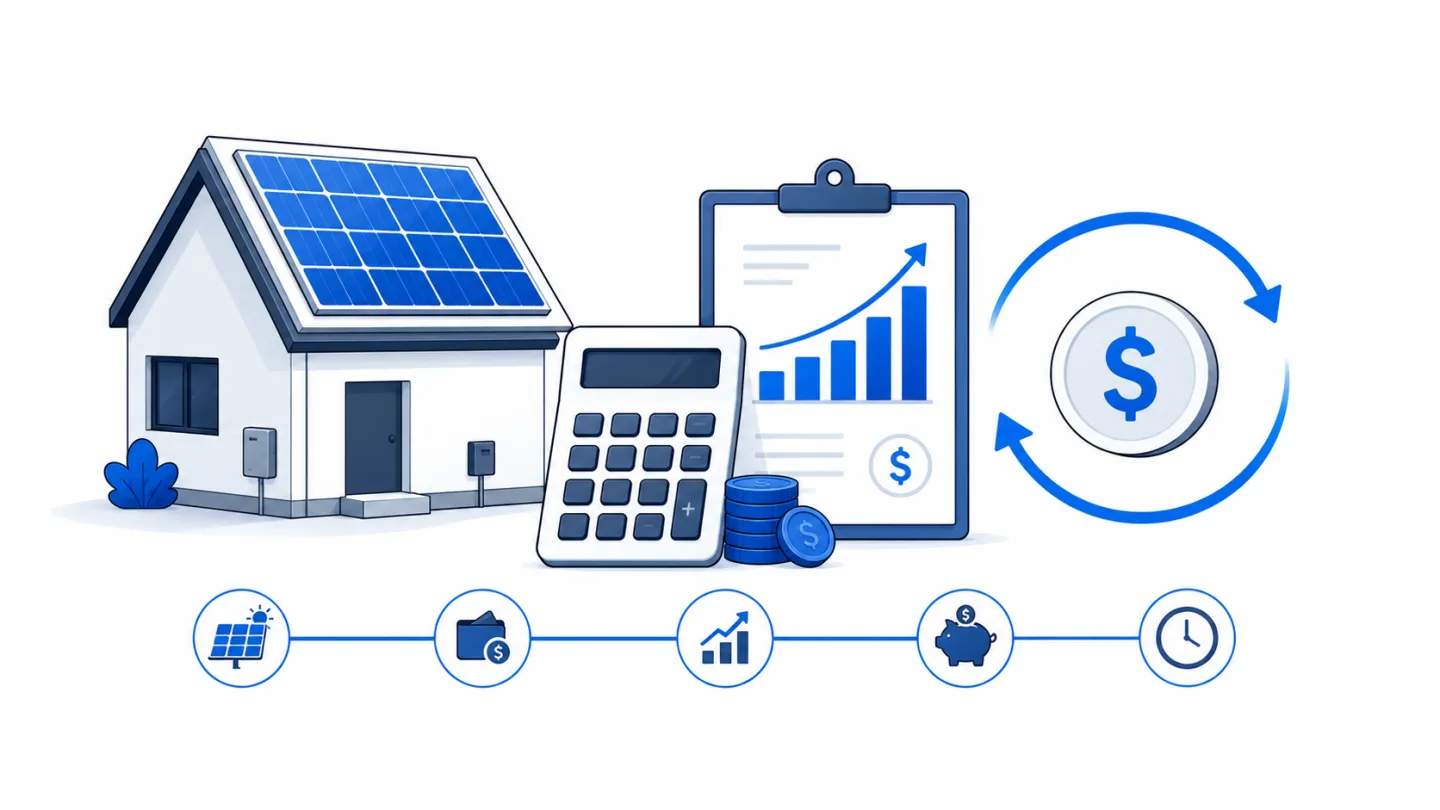
1. 60–90% lower bills
The greatest benefit comes from the self-consumption of the generated energy.
2. Energy independence
Less reliance on electricity price fluctuations.
3. Transparent consumption control
Monitoring apps give you a complete overview.
4. Excess energy is no longer wasted
Everything that is not consumed is fed into the grid.
How long does the entire process take?
Average timeframes:
- Documentation and project design: 1–3 weeks
- HEP application processing: 2–6 weeks
- Power plant installation: 1–2 days
- Smart meter installation: 1–3 weeks
Total: 30 – 90 days to achieve prosumer status.
Conclusion: Becoming a prosumer is simpler today than ever before
Thanks to clear regulations and a standardized procedure, households can now easily produce their own energy and feed the excess into the grid. The prosumer model delivers:
- lower bills
- security
- sustainability
- long-term profitability
For anyone planning a solar power plant, transitioning to prosumer status is the most logical and cost-effective step.