

Solar systems last longer than most people expect
One of the most common questions from owners and future investors is: "How long does a solar power plant actually last?"
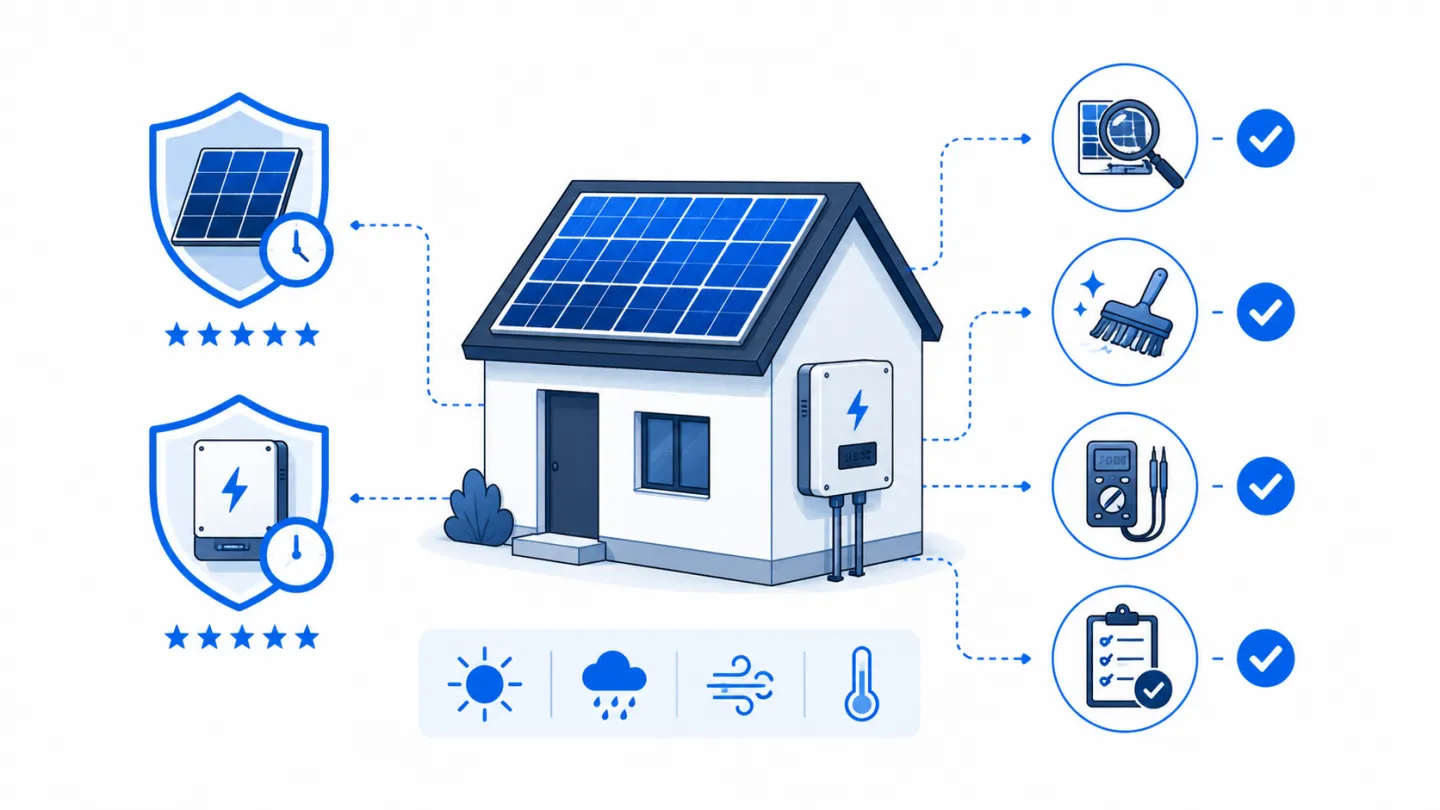
The answer is very encouraging — modern solar panels are engineered to last between 25 and 30 years with minimal decline in efficiency, while inverters typically last 10 to 15 years on average. With proper maintenance, the system can operate significantly longer than expected.
This article explains what determines the lifespan of each component in a solar power plant and what simple steps ensure long-lasting and reliable operation.
How long do solar panels last?
Solar panels are the most durable component of a photovoltaic power plant.
👉 Average lifespan: 25 – 30+ years
This means that even after three decades, the panels continue to generate energy, just with slightly lower efficiency.
How much does the efficiency decline?
Typically, panels lose about:
- 0.3 – 0.6% efficiency per year
- after 10 years: around 95% of initial power output
- after 25 years: around 85–90% of initial power output
In practice, this means that even after 20+ years, the power plant will operate almost as reliably as it did at the beginning, just with slightly lower overall production.
What affects the durability of solar panels?
Durability depends on:
- build quality and the manufacturer
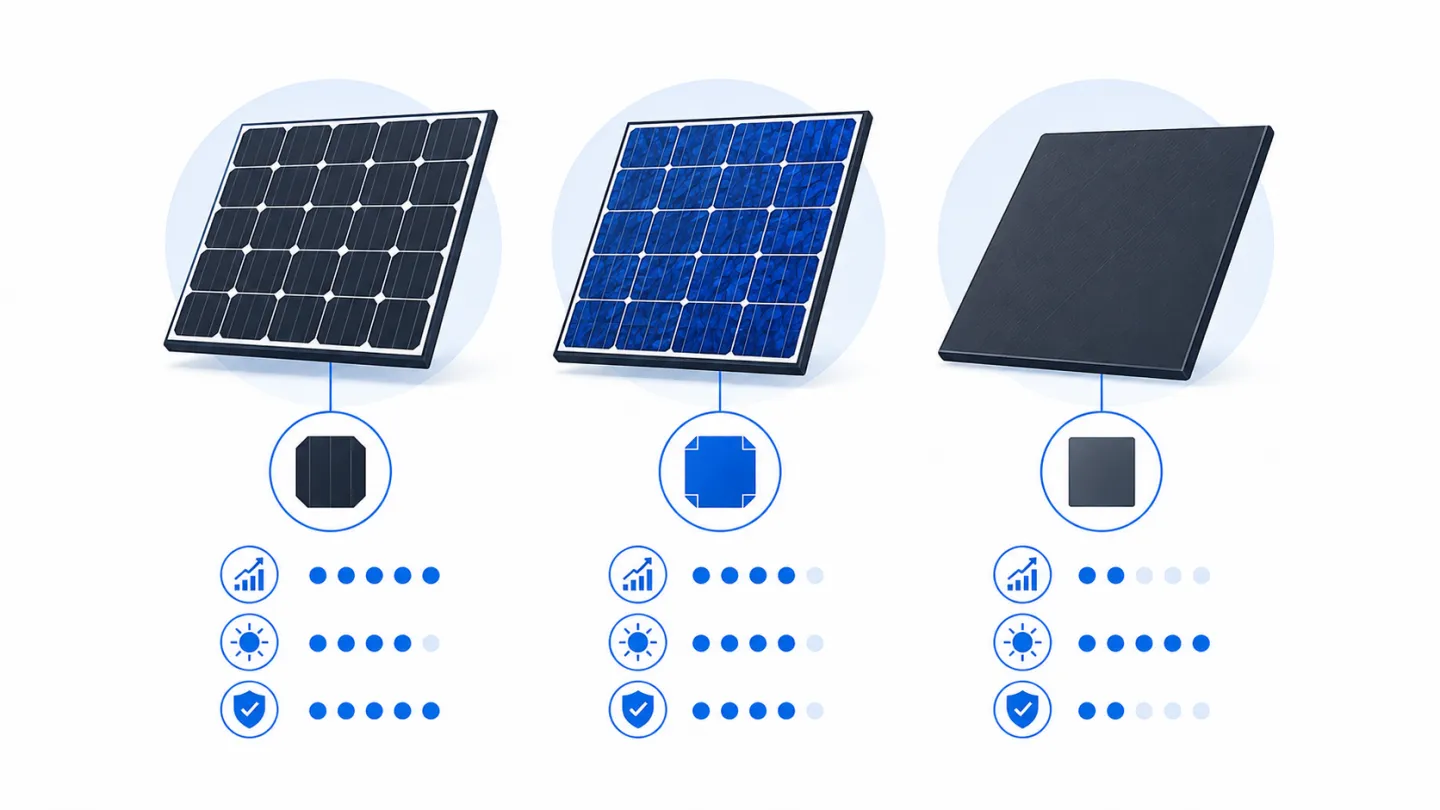
- panel type (monocrystalline is the most stable)
- UV resistance of the materials
- quality of the glass-EVA-backsheet lamination
- resistance to moisture and thermal shock
- quality of the mounts and screws
In Croatia, it also helps that the climate is not extreme like in desert regions — panels operate under highly favorable conditions.
How long does an inverter last?
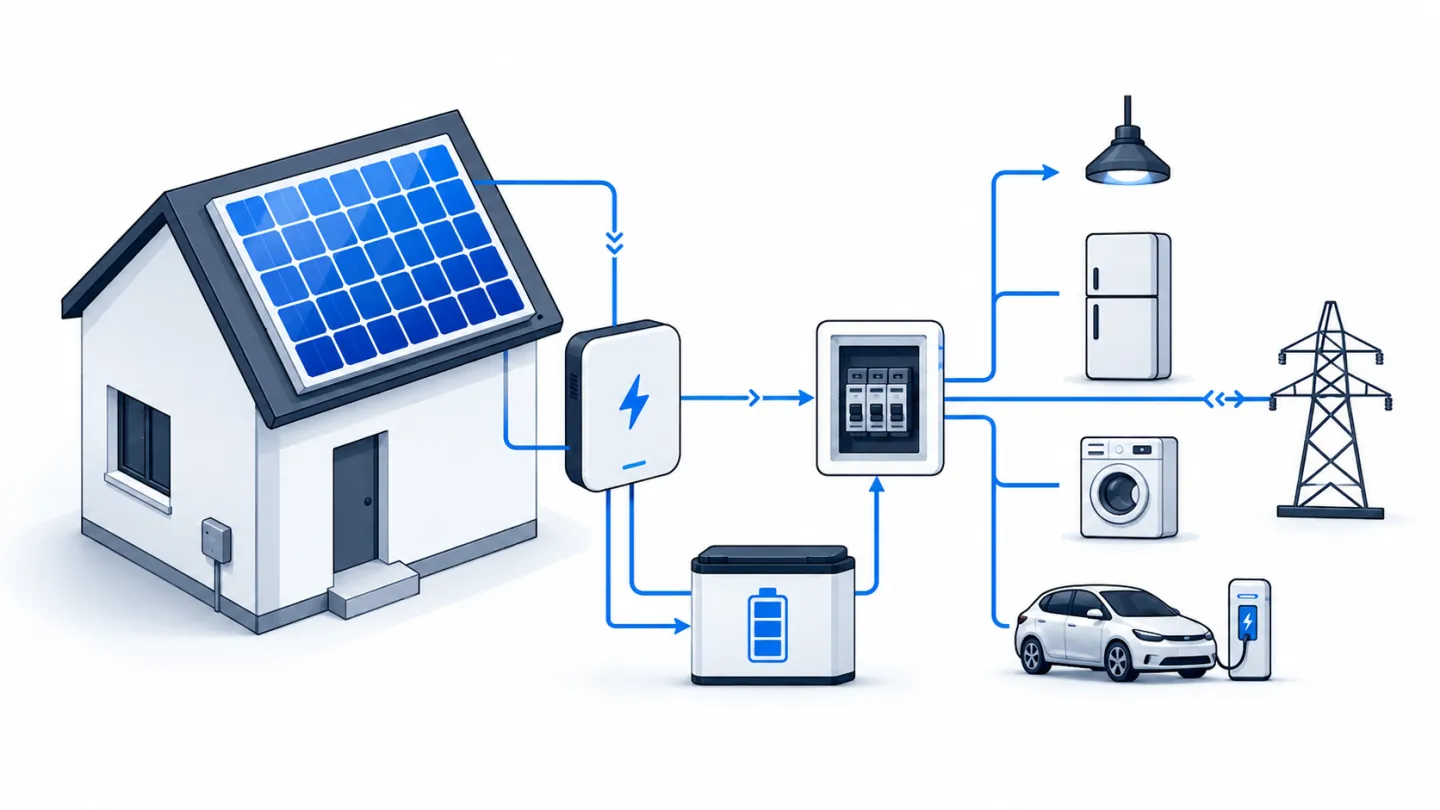
The inverter is the most heavily loaded and technologically sensitive component of a solar power plant.
👉 Average lifespan: 10 – 15 years
Why shorter than panels?
- it runs continuously and regulates alternating current (AC)
- it is exposed to heat
- it contains electronic components under higher operational load
Most owners replace the inverter once during the operational life of the power plant.
What are the signs that an inverter needs service or replacement?
The most common indicators include:
- frequent shutdowns for no apparent reason
- a drop in daily production
- errors displayed on the monitoring app (error codes)
- unusual noises or overheating
- flickering LED indicators
As a rule, modern inverters operate very reliably for years — and apps today provide clear alerts regarding any potential faults.
How to maintain solar panels properly?
One of the major advantages of solar technology is that it requires minimal maintenance.
1. Occasional cleaning (1–2 times a year)
Panels are cleaned when they accumulate:
- dust
- pollen
- salt (near the sea)
- bird droppings
Cleaning is done using plain water or a mild cleaning agent — never with aggressive chemicals.
2. Visual inspection of the racking structure
Especially after:
- strong winds
- hail
- high temperature fluctuations
- The inspection includes checking bolt connections, mounts, and seals.
3. Checking electrical connections
This part is handled by a professional, usually once a year or every two years.
How to maintain an inverter properly?
1. Maintain good ventilation
It must not be covered or enclosed by other devices or cabinets.
2. Regularly remove dust
Especially in garages or technical rooms.
3. Monitor performance via the app
The app detects any anomalies before they become major problems.
4. Service every few years (recommended)
A quick check of the electronics and fans extends its operational lifespan.
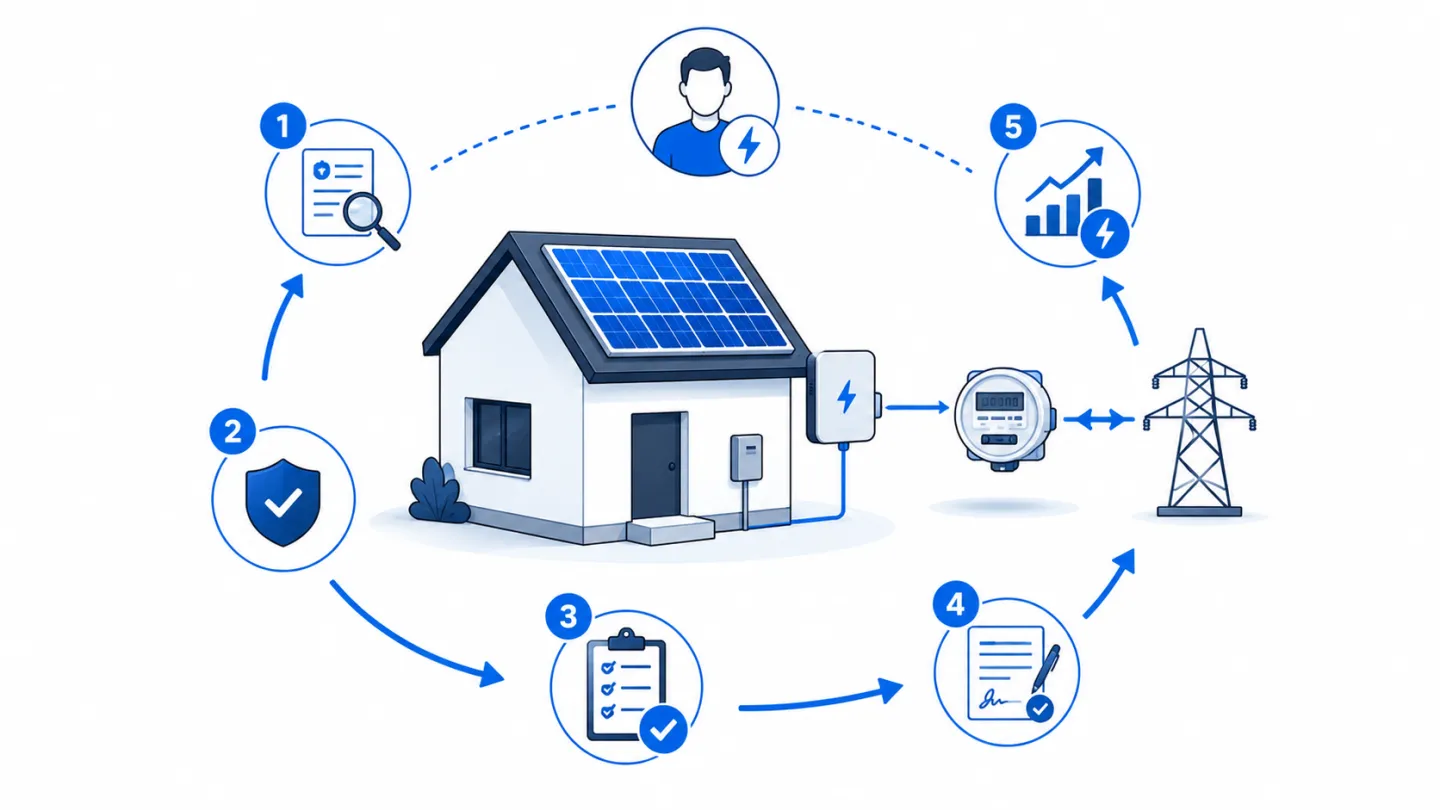
How often does a solar power plant need a professional service?
For most residential power plants:
👉 Once a year is enough for a quick inspection and panel cleaning.
For power plants in harsher environments (highly saline air, industrial dust), a bi-annual check is recommended.
Can a solar power plant last 35–40 years?
Yes — and this is a very common scenario.
Studies and real-world experience from Germany, Italy, and the US show that panels frequently operate for 35+ years while still maintaining a stable yield. The inverter might be replaced once or twice, and the system continues to run.
Conclusion: Minimal maintenance, maximum longevity
Solar panels and inverters are designed to last for decades with very little maintenance.
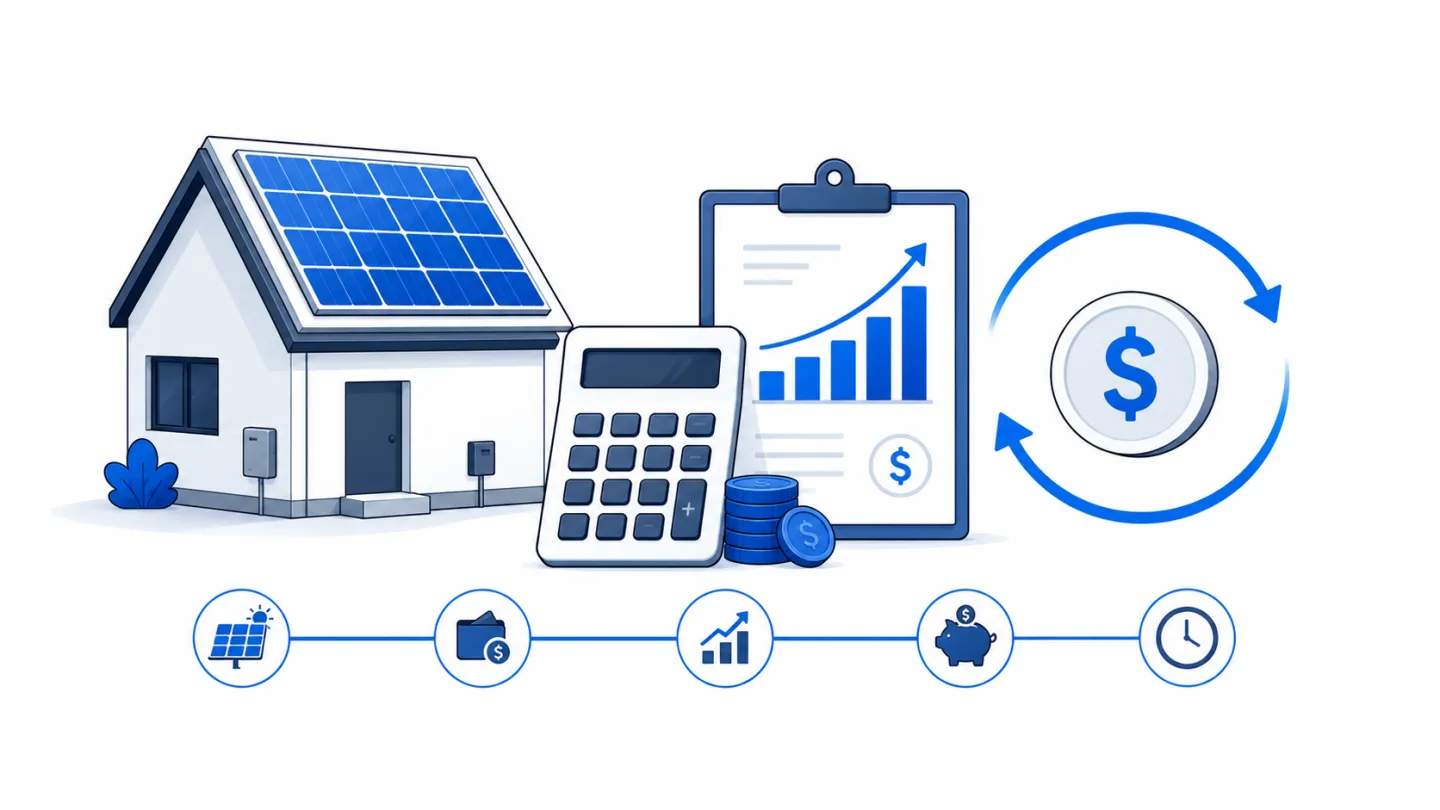
Thanks to modern materials, advanced inverters, and high-quality racking structures, a solar power plant is a long-term investment that reliably delivers savings for 25–30 years or more. With occasional cleaning, good inverter ventilation, and a regular annual inspection, your power plant will operate with maximum efficiency and longevity.