

Solar Power Plants Are No Longer a Luxury
Solar energy is no longer just a trend — today, it is the most cost-effective way for households to generate electricity. With rising electricity prices, available incentives, and increasingly affordable equipment, investing in a solar power plant has become attractive even to those who never previously considered generating energy from their own roof.
But the first question every investor asks is:
How much does it cost, and when will I get a return on my investment?
In this article, we bring you clear, concrete, and realistic figures.
How much does a residential solar power plant cost?
The price depends on several factors:
- the size of the power plant (kW)
- the type of panels and inverter
- roof conditions and racking structure
- distance to the electrical distribution board
- choice of installer
Average price in Croatia
For a typical family home, the most commonly installed systems are:
- 5 kW (smaller households)
- 7–10 kW (average consumption)
Estimated price guidelines:
| System Capacity | Average Price | Price per kW |
|---|---|---|
| 3 kW | €4,000 – €5,500 | €1,300 – €1,800 |
| 5 kW | €6,000 – €8,000 | €1,200 – €1,600 |
| 7 kW | €8,000 – €11,000 | €1,150 – €1,500 |
| 10 kW | €10,500 – €15,000 | €1,050 – €1,450 |
These prices include panels, inverter, installation, documentation, and commissioning. Larger power plants have a lower cost per kW, which further increases profitability.
What is the annual yield of a solar power plant?
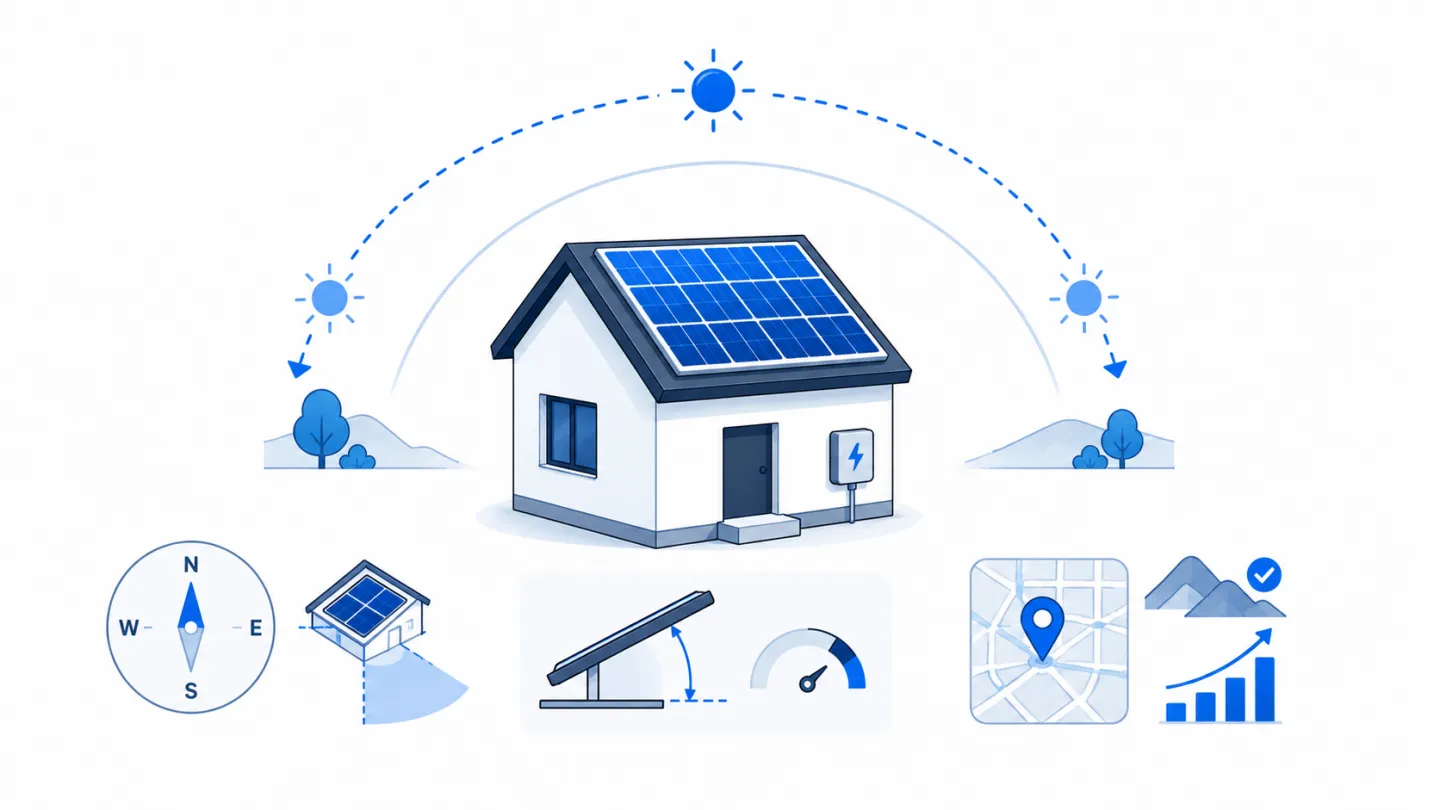
Annual production depends on the location, tilt, and orientation of the roof.
Average production in Croatia (kWh/kW per year):
- 1,000 – 1,300 kWh per 1 kW of system capacity
Example:
- 5 kW plant → around 6,000 kWh per year
- 7 kW plant → around 8,400 kWh per year
- 10 kW plant → around 12,000 kWh per year
If a household consumes around 6,000–8,000 kWh annually (which is typical), the power plant can cover 70–100% of its needs.
How much does a household save annually?
Savings depend on:
- the current price of electricity
- the share of self-consumption during the day
- utility/supplier tariffs
- using household appliances during peak production times
Average savings:
A family home with a 5–7 kW power plant typically saves €700 – €1,300 per year. If the household uses electrical heating, a heat pump, or an electric vehicle (EV) — the savings can be even higher.
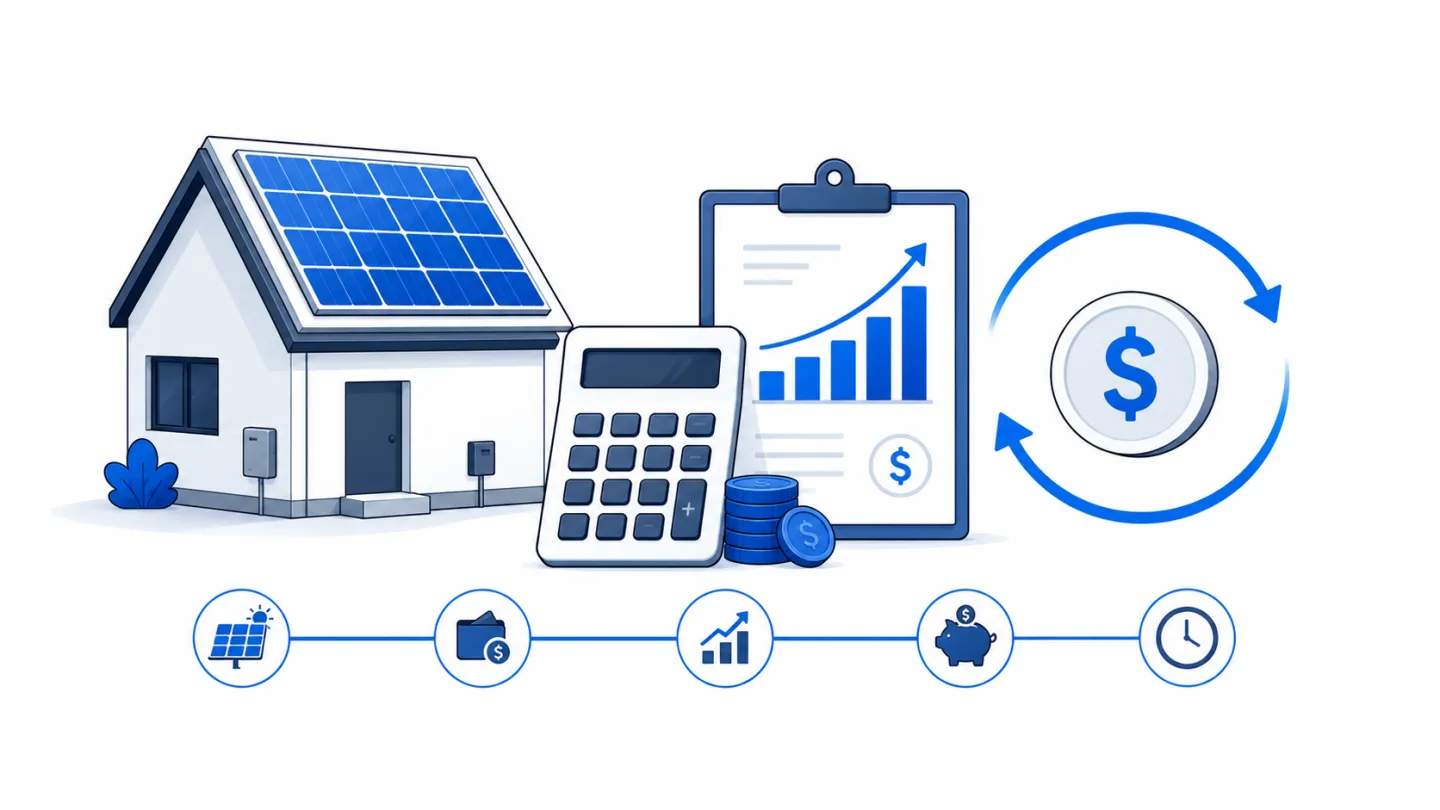
When is the return on investment? (realistic figures)
Simple formula:
Return on Investment (Payback Period) = Total Investment / Annual Savings
Example for a 7 kW system:
- Investment: €9,000
- Annual savings: €1,100
- Payback period: around 8.1 years
Example for a 5 kW system with incentives:
- Investment after incentives: €4,000 – €5,000
- Annual savings: €850
- Payback period: 4.7 – 6 years
Average payback period in Croatia:
- Without subsidies: 6 – 9 years
- With subsidies: 4 – 7 years
In many cases, the power plant pays off even faster because electricity prices continue to rise.
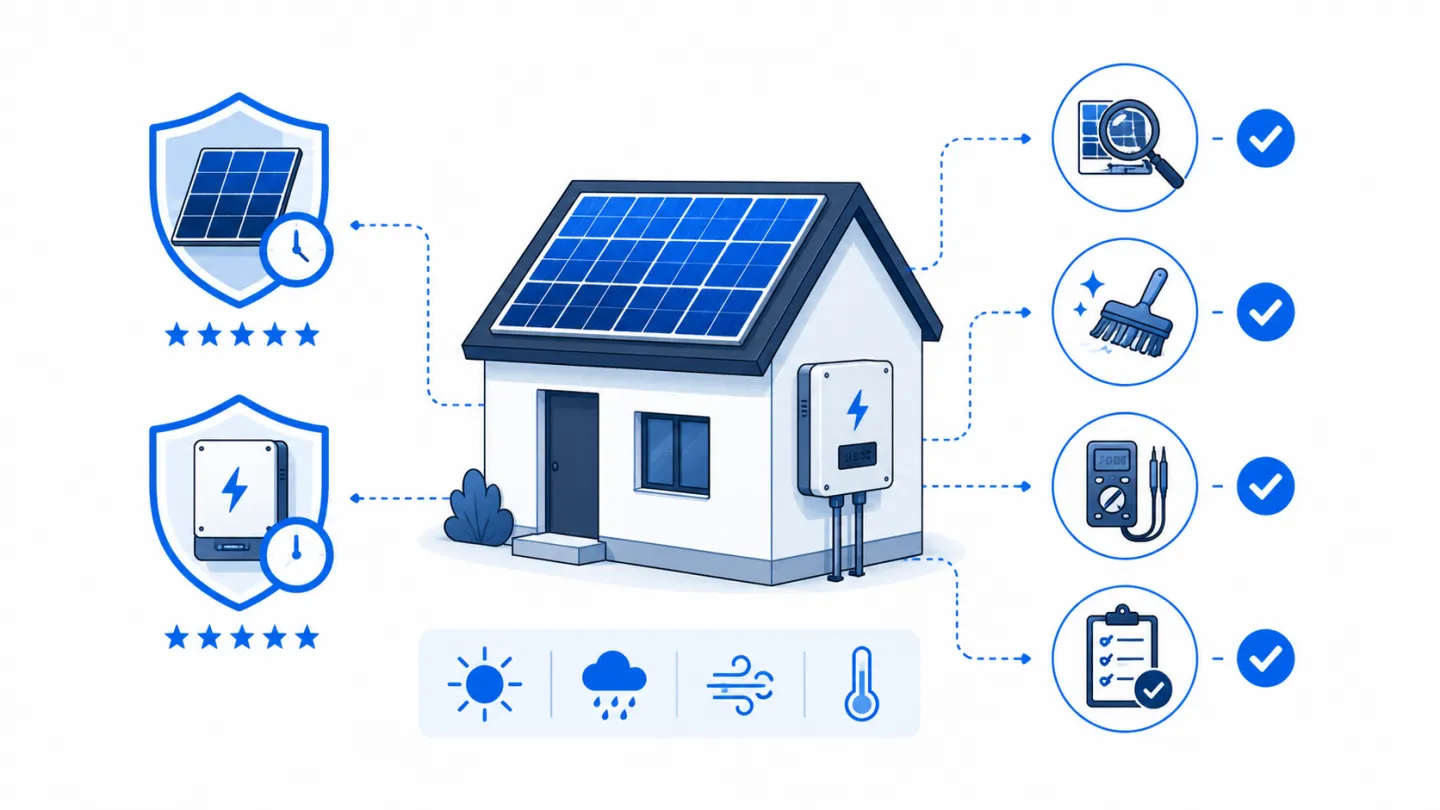
What is the lifespan of the system?
Solar systems are among the most durable energy technologies available.
Lifespan:
- Panels: 25–30+ years
- Inverter: 10–15 years
- Structure/Mounts: 30+ years
After the investment pays off, the power plant will continue to produce virtually free energy for another 20 years.
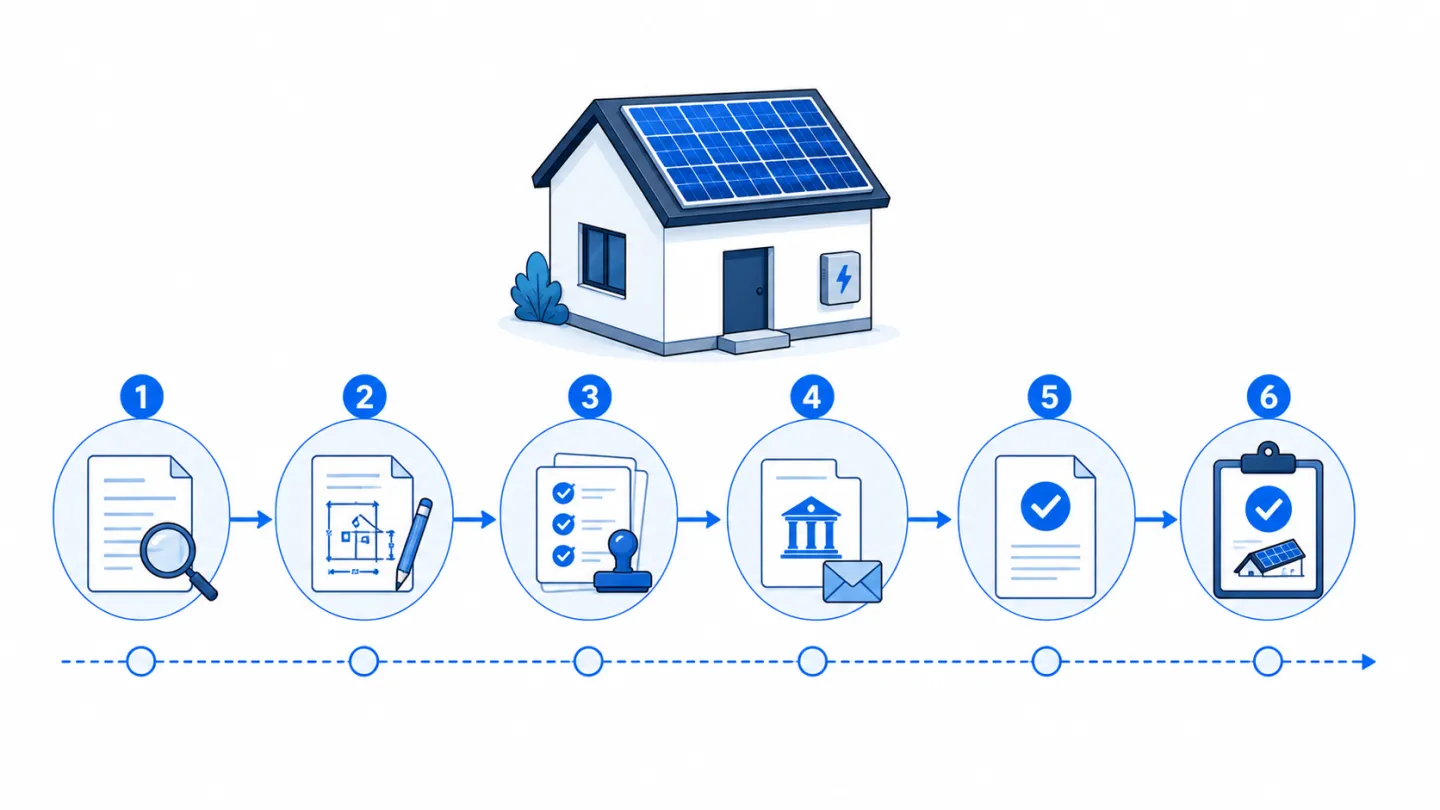
How do incentives accelerate profitability?
The Environmental Protection and Energy Efficiency Fund frequently offers subsidies that cover:
- 20–60% of the power plant's value
- additional incentives for heat pumps, insulation, and energy renovations
Incentives can shorten the payback period by 2–3 years, making them one of the key factors in profitability. If you wish, we can prepare an updated application guide; just let us know.
Conclusion: A solar power plant is an investment that returns multiple folds
For the average household, a solar power plant:
- reduces bills by 70–100%
- has a payback period of 4–8 years
- lasts for 25–30 years
- increases property value
- brings long-term financial gain
When it all adds up, a solar power plant becomes one of the smartest investments you can make in your home.